The Scientific Committee of ICRS 2027 has held its first meeting. Comprising ten experts from TU Darmstadt, the 4TU Centre for Resilience Engineering, the German Aerospace Center (DLR), and ETH Zurich, the committee will be introduced in this article. With ICRS 2027 taking place in Darmstadt, several members of the Scientific Committee come from TU Darmstadt, Germany.

Michèle Knodt
Michèle Knodt is a Professor of Comparative Politics and European Integration at TU Darmstadt, where she has led the chair since 2005. She is also Director of the Application and Transfer Centre Digital Resilience Xchange (DiReX). Her research covers EU multi-level governance, EU foreign policy, climate and energy policy, participation, critical infrastructures, interest intermediation and EU external perceptions and has been widely published in high-impact academic journals.
Christian Reuter
As Professor in the Department of Computer Science at TU Darmstadt and head of the Chair of Science and Technology for Peace and Security (PEASEC), Christian Reuter combines computer science with peace and security research. His work lies at the intersection of cybersecurity and privacy, peace and conflict studies and human-computer interaction, addressing peace informatics, technical peace research, crisis informatics, information warfare and usable safety, security, and privacy.
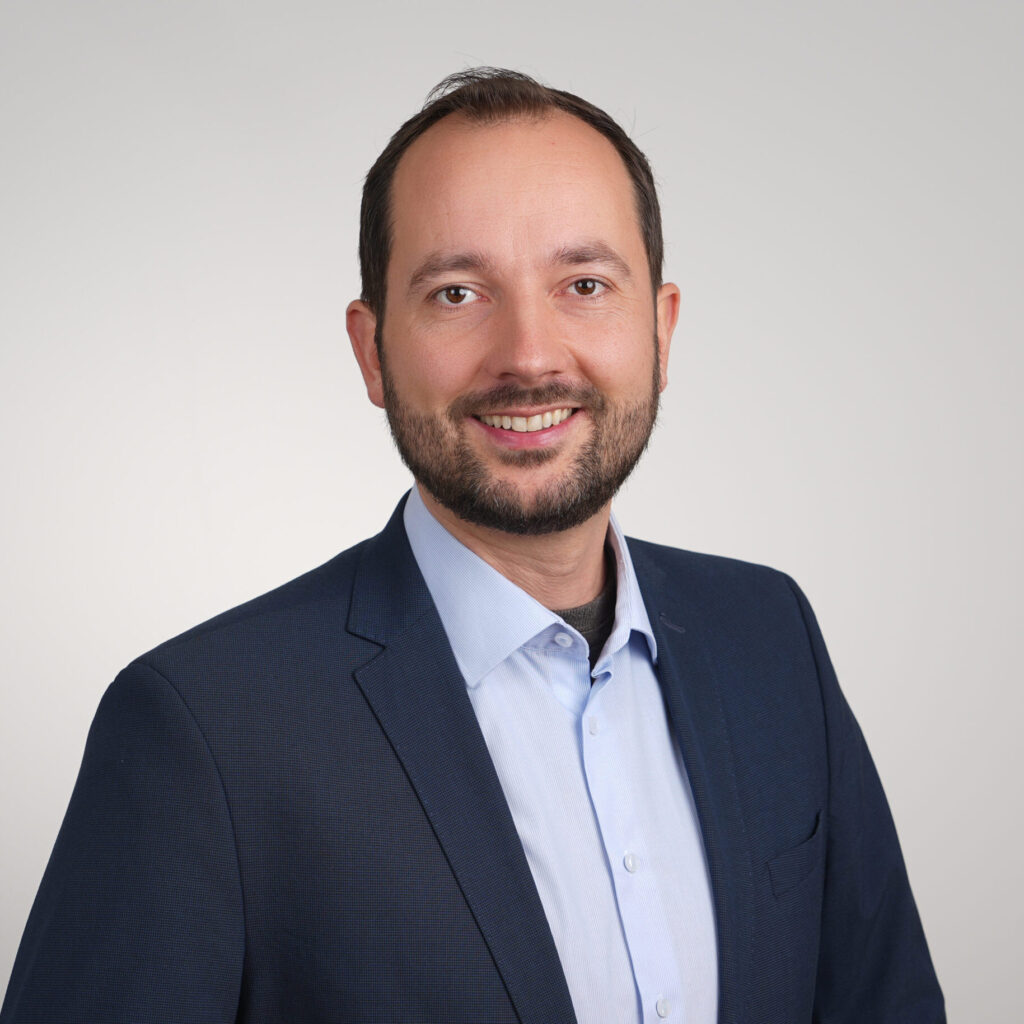
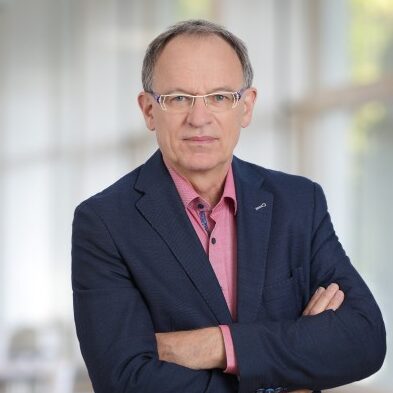
Max Mühlhäuser
Max Mühlhäuser, Professor Emeritus of Computer Science and Head of the Telecooperation Lab (TK) at TU Darmstadt, conducts research on smart ubiquitous computing environments in the Future Internet, ranging from smart mixed-reality rooms and smart cities to resilient critical infrastructures. He has more than 35 years of experience in research and teaching in areas including Ubiquitous Computing, networks and distributed systems, e-learning and privacy & trust.
Tina Comes
Tina Comes brings expertise from the German Aerospace Center (DLR). She serves as Scientific Co-Director of the Institute for the Protection of Terrestrial Infrastructures. As an internationally renowned researcher in artificial intelligence, digital technologies, and decision theory, her work focuses on rapid decision-making in complex, time-critical situations and on strengthening the resilience of critical infrastructure. She is a member of both the Academia Europaea and the Norwegian Academy of Technological Sciences, and chairs the working group on “AI in Crisis Management,” which provides scientific advice to the European Commission.
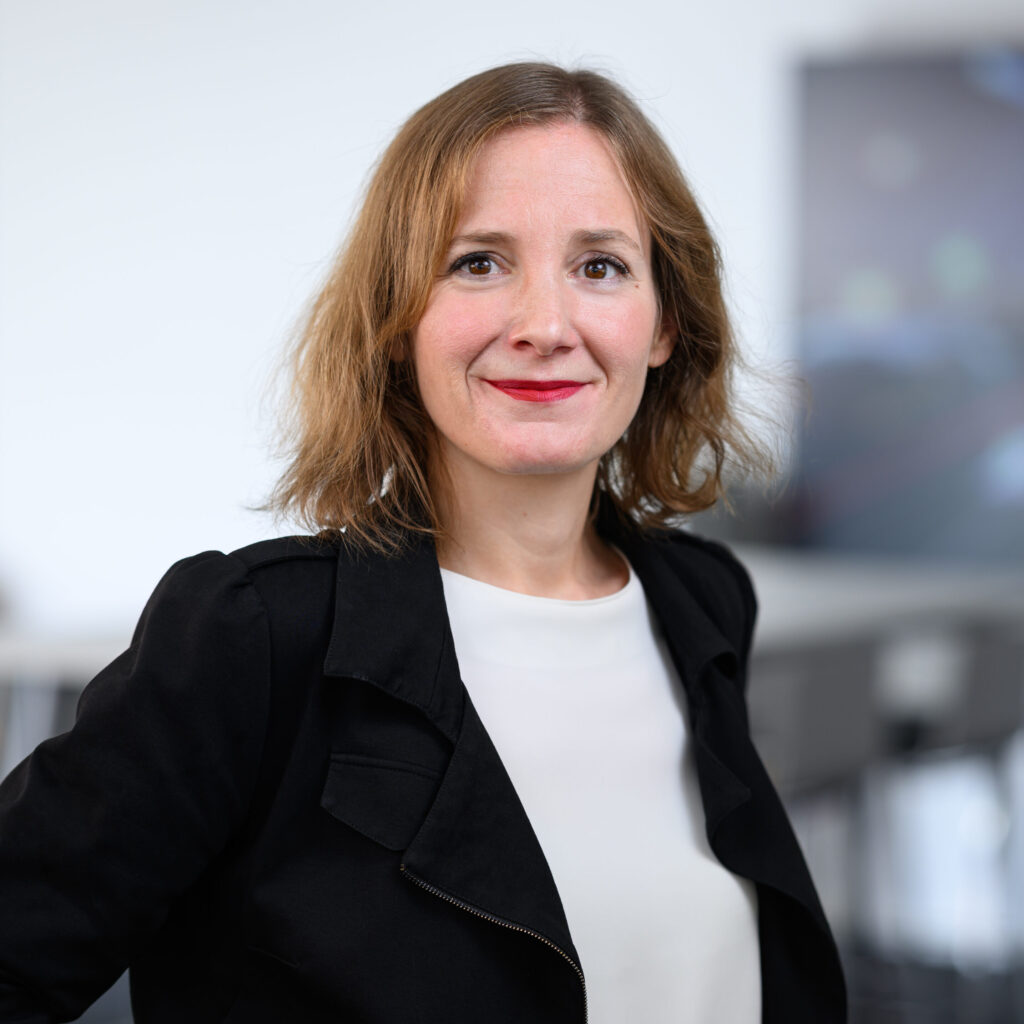
Among the international universities and institutions represented on the committee is the 4TU Centre for Resilience Engineering (4TU.RE), the knowledge centre in Resilience Engineering of the four universities of technology in the Netherlands.
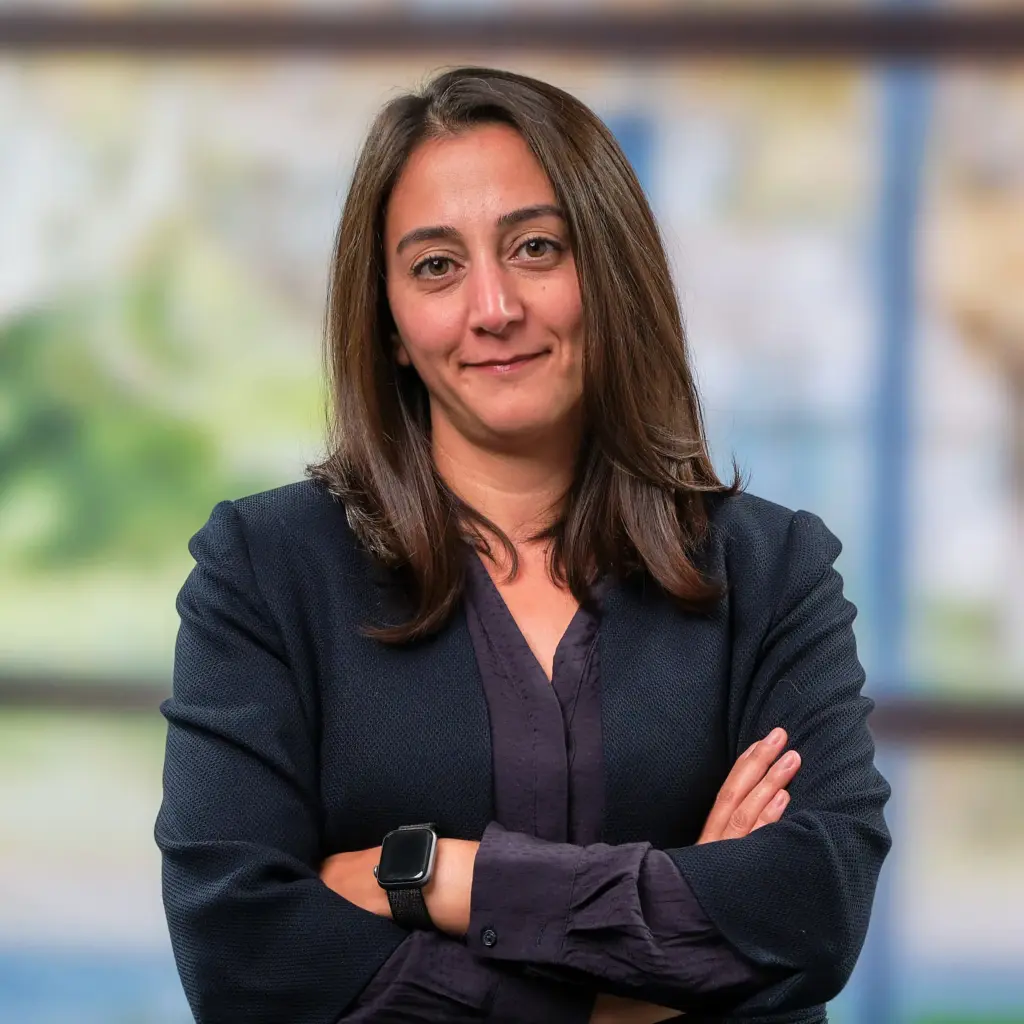
Nazli Aydin
At TU Delft, Nazli Aydin, Associate Professor in the Systems Engineering section of the Faculty of Technology, Policy and Management, is Pillar Lead for Socio-Technical Resilience and member of the 4TU-Resilience Engineering Desire program. Her research focuses on measuring and quantifying the resilience of urban and critical infrastructure in the built environment, using geospatial data science and network science.
Maria Pregnolato
Maria Pregnolato, Associate Professor at Delft University of Technology (TU Delft) and Honorary Associate Professor at the University of Bristol (UK), focuses on infrastructure resilience and risk management in relation to natural hazards. Pregnolato’s work pays particular attention to the impacts of flooding on road networks, bridges, and buildings.

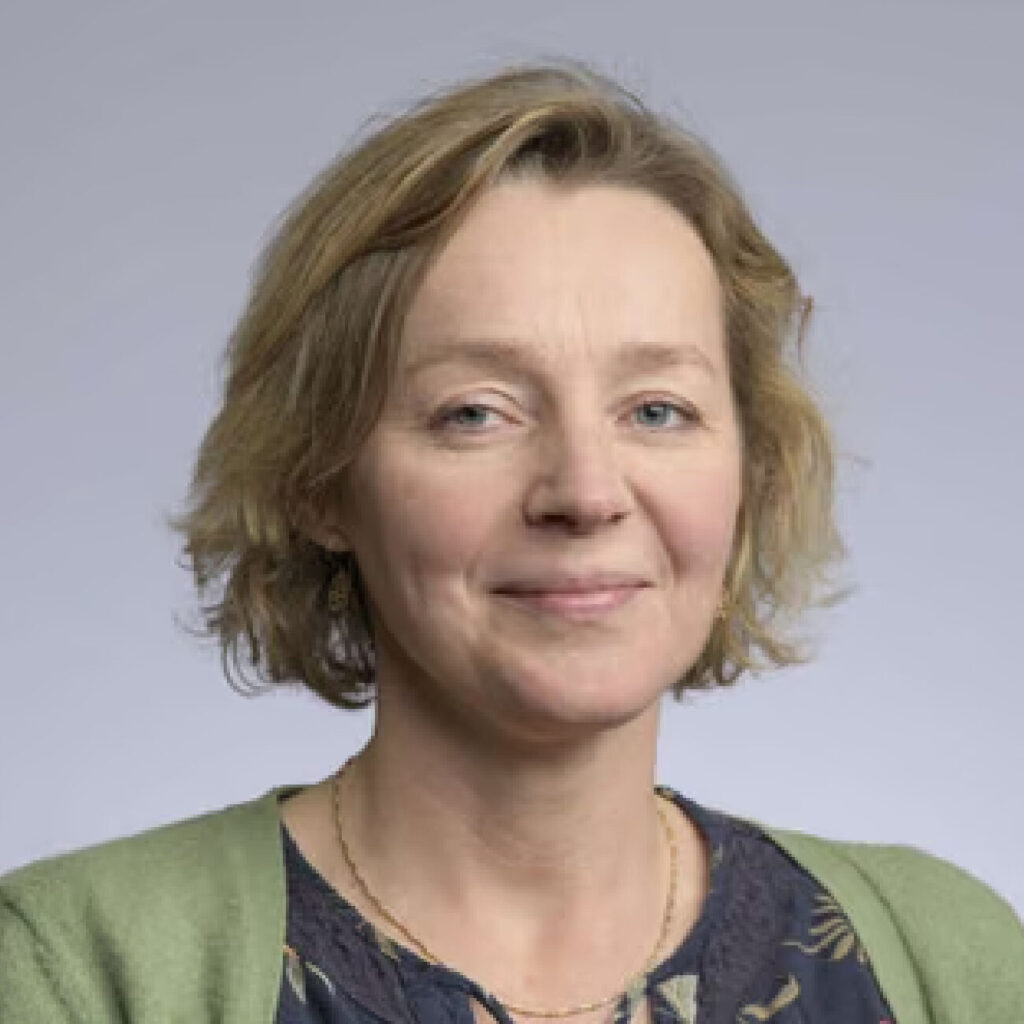
Joanne Vinke-de Kruijf
At the University of Twente, Joanne Vinke-de Kruijf, Adjunct Professor, chairs the Climate-Resilient Infrastructure Systems (CRIS) group in the Department of Civil Engineering & Management. Her work explores improving the sustainability and resilience of infrastructure systems.
Giovanni Sansavini
At ETH Zurich, Giovanni Sansavini is Associate Professor in the Department of Mechanical and Process Engineering and leads the Reliability and Risk Engineering Lab. His research addresses systemic risks in interdependent critical infrastructure networks, by quantitatively defining and mitigating reliability, resilience and risk within these systems.
Leonard Schliesser
Leonard Schliesser is a Senior Researcher in the Resilience and Crisis Management Team at the Center for Security Studies (CSS) at ETH Zurich, Switzerland. He examines the protection of critical infrastructure, civil defense, and low-probability, high-impact events, such as blackouts. In his recent work, he has worked on civil defence shelters and evacuation procedures, and on approaches to manage mass-casualty incidents.
Mehdi Keyvan-Ekbatani
Mehdi Keyvan-Ekbatani is Associate Professor in Civil and Environmental Engineering at the University of Canterbury, New Zealand. He focuses on traffic flow modeling and control. Furthermore, his main research interest is in developing control strategies to mitigate the traffic congestion in large-scale urban networks under over-saturated traffic regimes.